
Brush Mulching Service in Granbury, TX
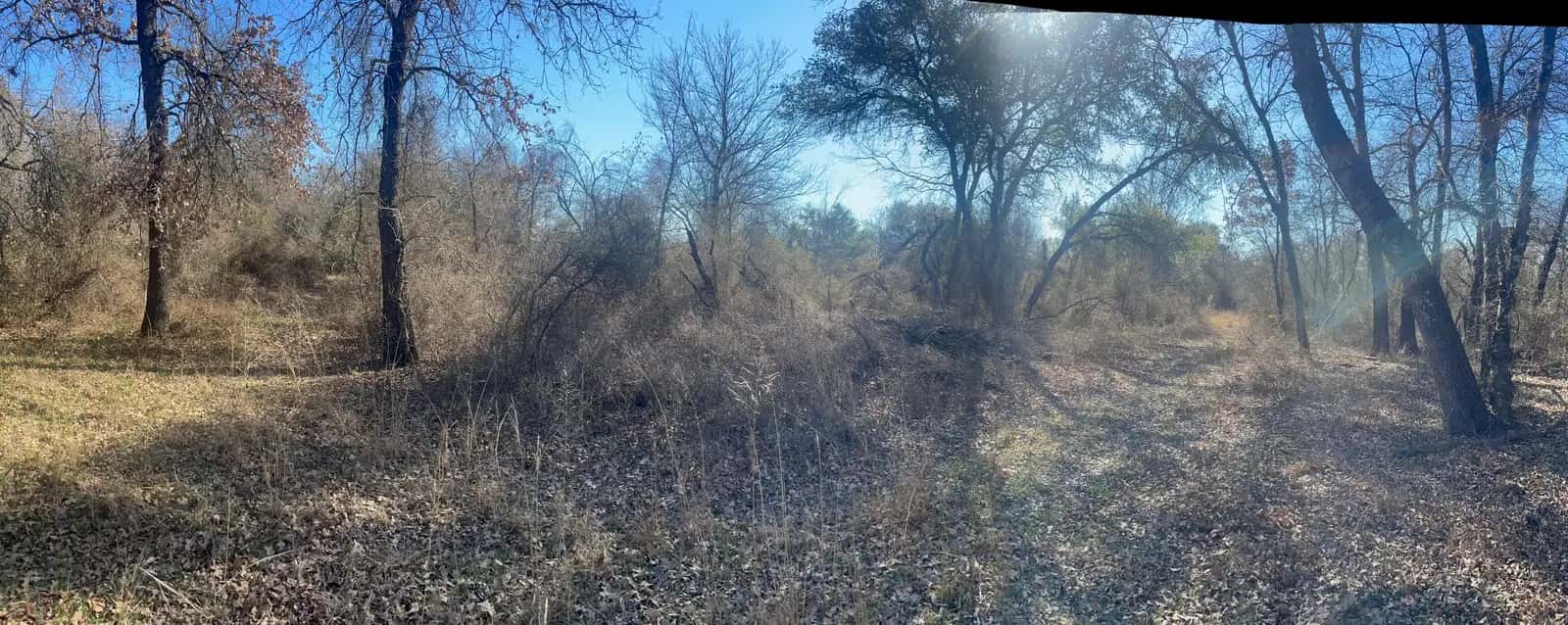
Some properties don't need to be cleared. They need to be opened up. If you've got good oaks and pecans lost behind a wall of young cedar, greenbriar, and hackberry, a brush mulching service is how you get them back. Black Knuckle Land Management removes the understory and leaves the trees worth keeping, whether it's a wooded homesite near Lake Granbury or a creek bottom out toward Tolar. The brush is ground into mulch right where it stood, with no piles and no burning.
What Brush Mulching Actually Involves
Brush mulching is selective clearing: grinding the understory of shrubs, vines, saplings, and small trees while leaving larger, desirable trees standing. The before picture is usually a property that feels smaller than it is. You can't see the back fence, you can't walk to the creek, and the oaks you bought the place for are getting crowded out by cedar and brush that competes with them for water and light.
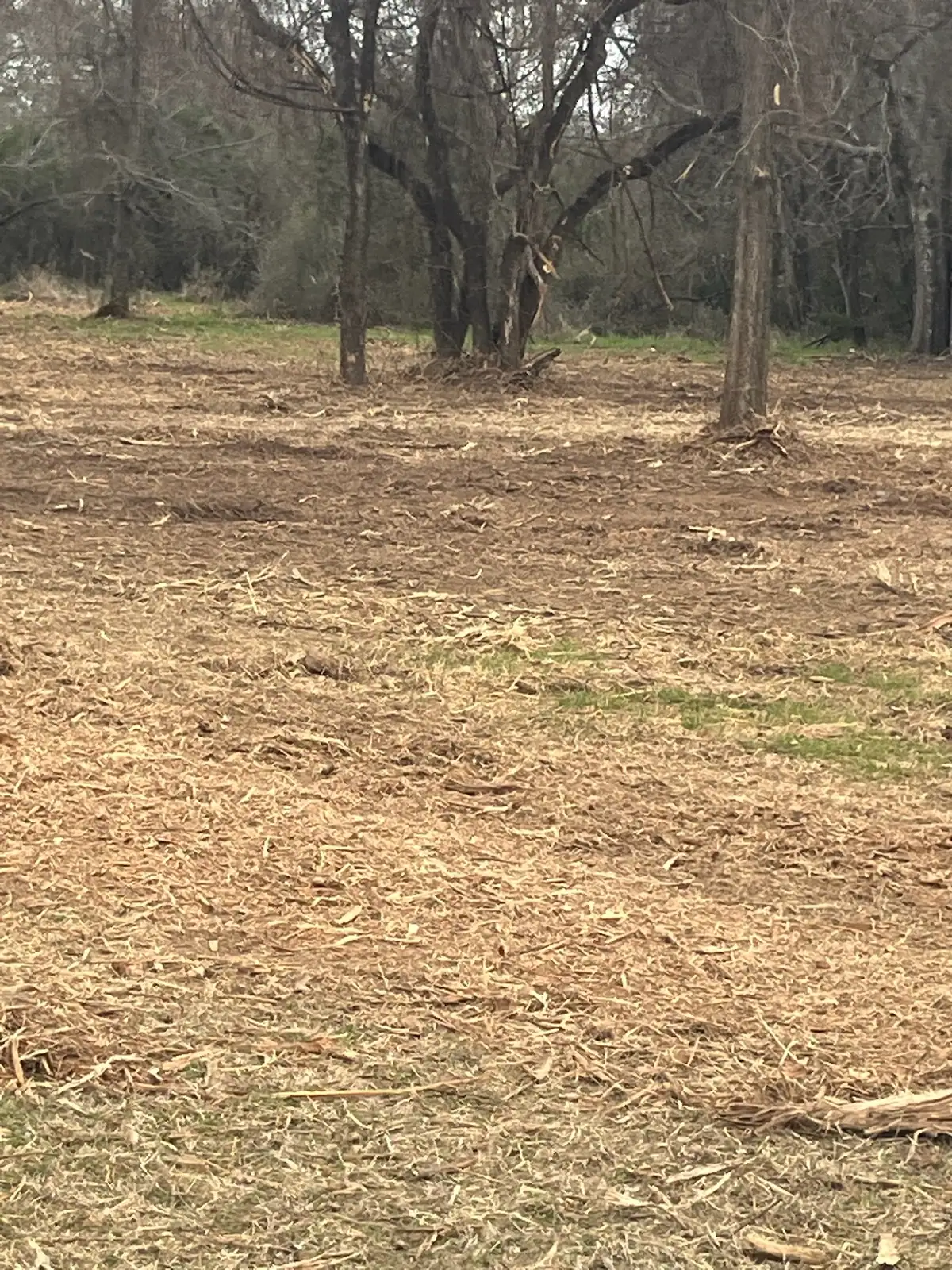
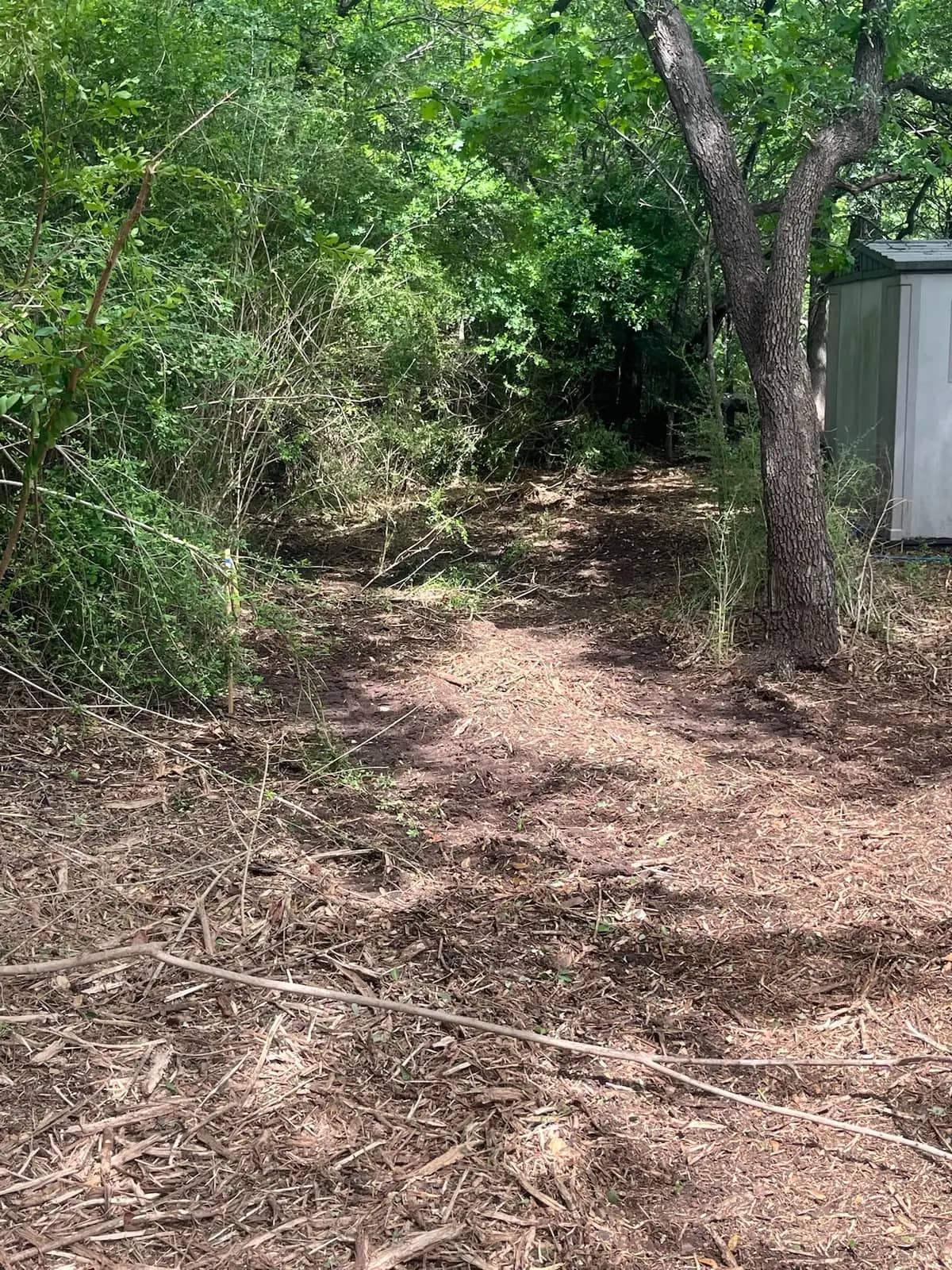
Our operator uses a skid steer with a forestry mulching head, working slowly between keeper trees instead of making straight production passes. Young Ashe juniper, cedar elm and hackberry saplings, greenbriar thickets, sumac, and low mesquite all go through the drum and come out as mulch. Near the trees you're keeping, the operator keeps the head off trunks and root flares, leaving a buffer rather than risking a wound. Limbs hanging low into the cleared area can be reached with the head, but trimming mature trees is left to an arborist. When we're done, you can see and walk through your property again, the remaining trees have room to grow, and the ground is covered in a layer of mulch that holds moisture and slows erosion instead of bare, torn-up dirt.
Our Brush Mulching Process
- 1
Tag the Trees You Want to Keep
We walk the property with you and flag every tree that stays with marking tape or paint. Most owners want to keep oaks, pecans, and anything with shade or character. We'll also point out trees worth reconsidering, like a cedar crowding a live oak's canopy, so the decision is yours.
- 2
Plan Around Oak Season
If your property has oaks, timing matters. The Texas A&M Forest Service recommends avoiding wounds to oaks from February through June, when oak wilt spreads most easily. On oak-heavy jobs, we'll talk through scheduling so the work happens in the safer window whenever possible.
- 3
Clear the Understory in Careful Passes
The operator works from the open edge inward, mulching brush and small trees in short, controlled passes. Around keepers, the machine slows down and keeps a buffer from the trunk and root flare. Vines like greenbriar get ground up with their host brush instead of being left to climb back.
- 4
Open Sight Lines and Paths
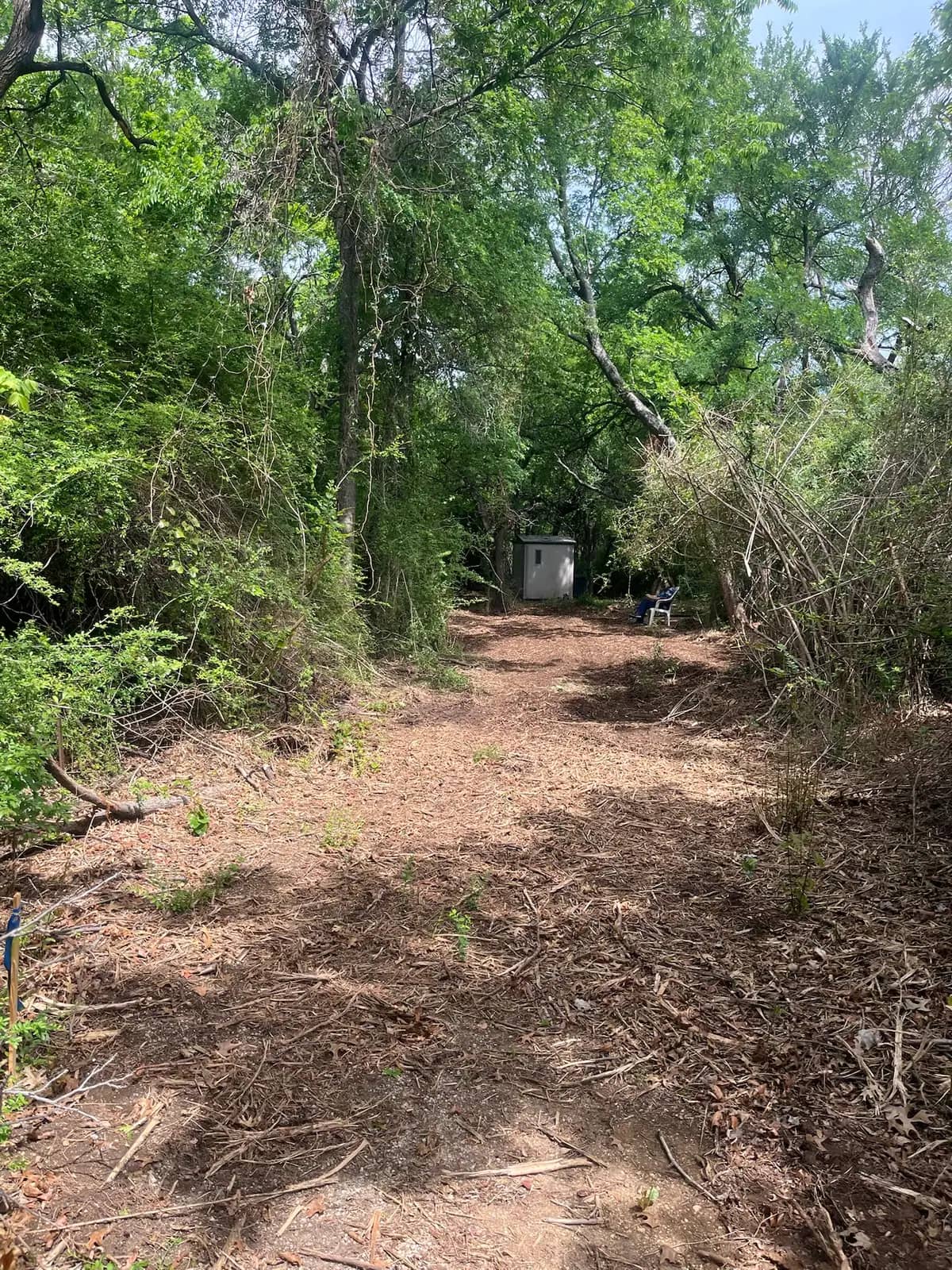
Once the understory is down, we clean up the edges of walking paths, views toward water, and access to fences and gates. This is where brush mulching turns a thicket back into a property you can actually use.
- 5
Final Cleanup and Upkeep Plan
We go over the finished area, clean up anything missed, and spread any heavy mulch. You get your trees back, with open ground underneath them. We'll also tell you what will try to come back, and how often a light maintenance pass makes sense.
Brush Mulching Across Granbury and Nearby Communities
Brush mulching is especially popular on wooded properties around Lake Granbury, where owners want lake views and walkable yards without losing their shade. We work homesites in Pecan Plantation, DeCordova, Canyon Creek, and Oak Trail Shores, and larger tracts along the Brazos River and out toward Acton and Cresson. Our crew also travels SH-144 to Glen Rose, US-377 to Stephenville, US-67 to Cleburne, and FM 51 to Weatherford and Springtown.
Cross Timbers brush has a particular makeup: young cedar and mesquite pushing into post oak and blackjack oak woodlands, with greenbriar and hackberry filling the gaps. That mix is exactly why selective mulching works better here than wholesale clearing. You can find everything else our crew does on the Black Knuckle Land Management homepage.
Why Granbury Homeowners Choose Black Knuckle for Brush Mulching
Selective clearing takes patience, and patience comes from the operator, not the machine. Black Knuckle began by clearing our own ranch, where every tree we left standing was one we'd live with for years. Our operators brought prior heavy-equipment experience with them, and our small crew means you talk directly to the people doing the work. Learn more about who we are.
We follow published guidance, not guesswork. The Texas A&M Forest Service warns that any fresh wound on an oak, including damage from land or cedar clearing, can become an entry point for oak wilt, which is why we protect keeper trees and plan around the spring risk window. For owners who want to understand the full set of options for small properties, from mechanical removal to follow-up treatment, Texas A&M AgriLife publishes a practical guide to brush control for small acreages.
We're also clear about the difference between mulching and mowing. A rotary mower is built for grass, weeds, and light brush. Once woody stems thicken, it's time for a mulcher. After we've opened up your property, periodic brush hog mowing is often the most affordable way to keep it that way. Estimates are free, and we keep regular hours Monday through Saturday, 9 a.m. to 5 p.m.
See the Work in Motion
Swipe or tap the arrows to see more clips.
Brush Mulching FAQs
Ready to get your trees and your view back? Schedule a free brush mulching estimate or call (254) 269-6960. You can also learn more about forestry mulching as a whole.
What's the difference between brush mulching and brush hogging?
Brush hogging uses a rotary mower pulled behind a tractor or mounted on a skid steer, and it's best for grass, weeds, and light, soft brush. Brush mulching uses a forestry mulching head that grinds woody brush and small trees. If you can't push a stem over with your boot, it probably needs a mulcher.
Can you clear under my trees without damaging them?
Yes. That's the point of selective brush mulching. We mark keeper trees, keep a buffer from trunks and root flares, and slow down around them. On oak-heavy properties, we'll also talk about timing to reduce oak wilt risk.
When is the best time of year for brush mulching?
Late summer through early winter is often ideal in North Central Texas. Oaks are outside the February-through-June high-risk window for oak wilt, the brush is easier to see once it thins, and ground conditions are usually firm. We work year-round when conditions allow.
Does brush mulching help reduce wildfire risk?
Removing dense understory and ladder fuels, such as young cedar growing under larger trees, reduces the fuel a grass fire can climb into. Mulching also avoids the burn piles that clearing often creates. It's one piece of a defensible-space plan, not a guarantee.
Will the brush come back?
Some of it will. Ashe juniper generally won't regrow from a low cut, but mesquite, hackberry, and many other species resprout, and new seedlings sprout from seed. A light maintenance pass every year or two keeps an opened property from closing back in.
Serving Granbury and the Surrounding Area
We're based in Granbury and work within about an hour to an hour and a half of home.
Ready to Clear Your Land?
Whether it's overgrown acreage, a pasture that needs mowing or a driveway that washes out every rain, we'll give you an honest assessment and a fair price. Every estimate is free, and we cover Granbury and the surrounding area within about an hour and a half.